Why Expert Racing Predictions Matter for Serious Bettors
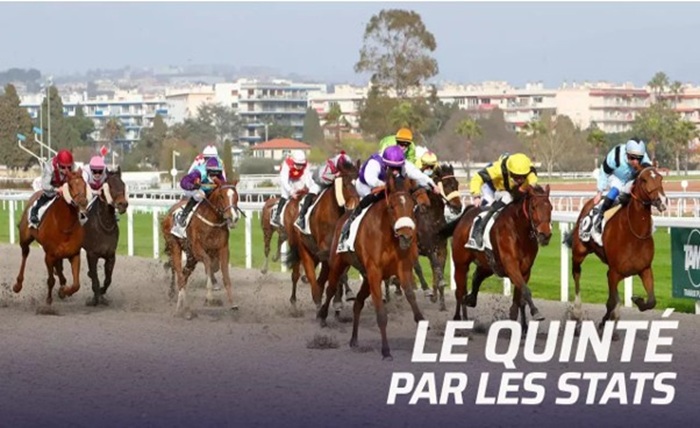
Serious bettors quickly learn that casual guessing rarely produces consistent results in horse racing. The sport combines form, conditions, human decisions, and market dynamics in ways that reward preparation. Expert racing predictions exist to cut through the noise and highlight the angles that matter most. For those who treat betting as more than entertainment, these insights can sharpen selection, improve staking discipline, and ultimately protect the bankroll.
The Complexity Behind Every Race Card
A typical race meeting presents dozens of runners across multiple contests. Each horse carries its own recent form, preferred going, distance record, and connections. Add track bias, draw positions, pace scenarios, and weight adjustments, and the volume of information becomes overwhelming for anyone working alone. Expert predictors spend hours reviewing sectional times, past performances, and stable intentions so that serious punters can focus on the most relevant data rather than starting from scratch every day.
This is especially true in major French betting pools such as the Quinté+. Selecting the first five horses in correct or any order demands precision across an entire field. Small edges in form or conditions can separate a winning ticket from a near miss. Predictions that systematically evaluate these factors give bettors a structured starting point instead of relying on scattered opinions or last-minute hunches.
Time Efficiency for Committed Punters
Serious bettors often follow several meetings and multiple bet types in a single day. Watching every replay, checking every going report, and comparing every official rating is simply not practical. Expert services compress that research into clear, prioritised selections. The time saved can be redirected toward bankroll management, odds comparison, and reviewing personal results—activities that have a greater long-term impact than redoing basic form study.
When the focus is Quinté+, the value of specialised analysis becomes even clearer. Resources dedicated to this popular bet, such as the detailed coverage available at AlloQuinte, regularly break down the key contenders, possible outsiders, and likely race shape. These insights allow bettors to refine their own tickets rather than building them in isolation.
Identifying Value Beyond the Favourites
Public money tends to concentrate on obvious favourites. Expert predictions often spotlight horses whose chances are underestimated by the market. A runner dropping in class, returning to a preferred distance, or benefiting from a favourable draw may offer better odds than its true probability suggests. Recognising these situations is one of the clearest advantages of following structured analysis.
Value hunting extends to longer-priced opportunities as well. Bettors looking for bigger returns sometimes examine selections that combine solid underlying form with overlooked angles. Platforms that highlight higher-odds prospects, including those featured on 5 Big Odds, can complement more conservative approaches by pointing toward races where the market has left room for profit. Used selectively, such information helps balance a portfolio between safer short-priced plays and calculated longer shots.
Reducing Emotional Decision-Making
Without a clear framework, it is easy to chase losses, overbet on a “certainty,” or abandon a plan after a few defeats. Expert predictions introduce an external reference point. When a tipster or analytical service has a transparent method and trackable record, bettors can measure their own results against a consistent benchmark. This encourages more rational staking and reduces the temptation to deviate from a pre-race plan.
In Quinté+ betting the emotional pressure can be particularly high because of the large prize pools and the difficulty of the task. Having a well-researched shortlist or ranking of contenders helps maintain discipline. Instead of constantly second-guessing every runner, the serious punter can concentrate on ticket construction, banker choices, and stake sizing.
Combining Expertise with Personal Judgment
The most successful long-term bettors rarely follow any single source blindly. They treat expert predictions as one input among several. Personal knowledge of specific trainers, jockeys, or track quirks can still override a published selection. The goal is synthesis: use the specialist analysis to identify candidates, then apply individual filters for final decisions.
This hybrid approach works especially well with Quinté+. An expert shortlist might highlight six or seven strong candidates. The bettor then decides which horses to include as bankers, which to use as covers, and how to structure multiple tickets according to risk tolerance. The external research provides the foundation; personal judgment shapes the final wager.
Record-Keeping and Continuous Improvement
Serious bettors track their results. Comparing personal performance against the predictions they consulted reveals which sources add genuine value and which do not. Over time this feedback loop improves both the choice of information sources and the bettor’s own analytical skills. Predictions that consistently surface value or correctly identify key race dynamics become trusted tools; those that underperform are discarded.
Transparency matters. Services that publish clear reasoning—why a horse is selected, what conditions favour it, and where the risks lie—are far more useful than simple name lists. When the logic is visible, the bettor can learn from both winning and losing outcomes.
Risk Management and Realistic Expectations
No prediction service eliminates risk. Horse racing retains an irreducible element of uncertainty: a stumble at the start, an unexpected change in going, or a traffic problem in running can undo even the strongest analysis. Expert predictions matter because they improve the quality of decisions, not because they guarantee winners. Serious bettors understand this distinction and size their stakes accordingly.
Bankroll protection remains the priority. Predictions should support a disciplined staking plan rather than encourage over-exposure on any single race or ticket. In high-variance bets such as Quinté+, this principle is especially important. Smaller, well-researched positions over many races generally outperform large, emotionally driven wagers.
Building a Sustainable Approach
The difference between recreational and serious betting often lies in process. Recreational punters may enjoy the occasional lucky strike. Serious bettors focus on repeatable edges. Expert racing predictions form part of that process by supplying organised information, highlighting value, and reducing the cognitive load of daily analysis.
When those predictions concentrate on demanding bets like the Quinté+, the benefit multiplies. Dedicated resources that examine form, conditions, and probable race shape give committed players a practical advantage. Complementary tools that surface higher-odds opportunities further expand the range of viable strategies.
Ultimately, expert predictions matter because they help serious bettors work smarter. They turn an overwhelming volume of data into actionable insight, support more rational decision-making, and free time for the higher-level skills of bankroll management and continuous self-review. Combined with personal judgment and strict discipline, they form a core component of any long-term approach to profitable racing bets.