


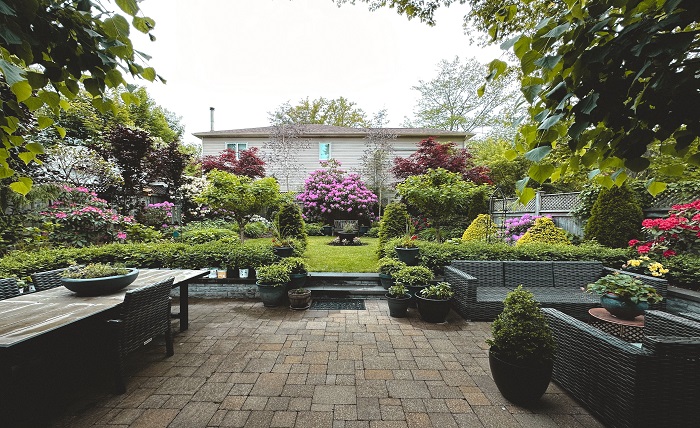
A backyard can feel cramped even when the property has plenty of square footage. Poor layout, oversized planting beds, bulky furniture, unused lawn areas, and awkward pathways can make the space feel smaller than it really is.
The goal is not always to add more features. In many cases, removing clutter and organizing the yard into clear zones creates more usable space. A thoughtful landscape plan can make room for dining, relaxing, entertaining, gardening, and play without making the backyard feel crowded.
Start by Deciding How You Want to Use the Yard
Before changing the landscape, decide what you want the backyard to do. Some homeowners want more space for children, pets, and games. Others care more about outdoor dining, a fire pit, a garden, or a comfortable place to relax.
List your priorities, then rank them. A backyard rarely needs every possible feature. Choosing two or three main uses can make the design feel more open and practical.
When planning their outdoor space, homeowners can work with highlands landscaping to look at which existing features are using valuable space and which ones are worth keeping. A large lawn may be useful for one family, while another may prefer more planting areas or a low-maintenance landscape.
Walk through the yard at different times of day. Pay attention to shade, sunlight, privacy, drainage, and how people naturally move through the space.
Create Clear Outdoor Zones
Dividing a backyard into zones can make it feel larger rather than smaller. The key is to give each area a clear purpose without enclosing it too heavily.
You might create one area for dining, another for lounging, and a third for gardening or play. These spaces can be separated subtly with changes in paving, planting, furniture placement, or lighting.
Avoid placing barriers between every zone. Tall hedges, solid walls, and bulky structures can break up sightlines and make the backyard feel tight.
Open transitions work better. A low planting border, narrow path, or change from pavers to lawn can define a space without closing it off.
Reduce Oversized Lawn Areas
A large lawn can consume most of a backyard without providing much function. If you rarely use the entire grassy area, consider reducing it.
Removing part of the lawn can create room for a patio, garden bed, seating area, or path. The yard can become more useful without feeling more crowded.
Keep lawn where it serves a clear purpose. A central grass area can work well for children or pets, while narrow strips along fences may add little value.
Simple lawn shapes are easier to maintain too. Broad rectangles and gentle curves usually require less trimming than irregular edges.
Use Built-In Seating
Freestanding furniture can take up more room than expected. Chairs often need space behind them, and large outdoor sets can make smaller patios difficult to move through.
Built-in benches can solve that problem. Seating placed along a wall, fence, planter, or retaining edge uses space that might otherwise remain empty.
Benches can include storage beneath the seat for cushions, garden tools, or outdoor toys. That keeps loose items from cluttering the yard.
Corner seating can work particularly well in small backyards. It keeps the center open and makes better use of the perimeter.
Build Up Instead of Spreading Out
Vertical landscaping can create more planting space without using much ground area. Trellises, wall planters, narrow raised beds, and climbing plants can add greenery while leaving the yard open.
This works well for herbs, flowers, vines, and some vegetables. A vertical garden can turn a plain fence or wall into a useful feature.
Choose plants that fit the available sunlight and growing conditions. Some climbing plants can become aggressive and require frequent pruning.
Vertical structures can provide privacy too. A trellis with suitable plants may feel lighter than a solid wall or wide hedge.
Use Narrower Planting Beds
Deep planting beds can consume a surprising amount of usable yard space. In smaller backyards, narrower beds along fences and property lines can leave more room in the center.
Choose plants based on mature size rather than how they look when young. A shrub that eventually grows six feet wide can quickly overwhelm a narrow bed.
Layer plants carefully. Taller varieties can sit toward the back, with lower plants in front. This adds depth without requiring a large footprint.
Avoid filling every inch with plants. Open space between features can make the entire yard feel calmer and larger.
Choose Furniture That Fits the Space
Outdoor furniture should match the scale of the backyard. A dining table designed for eight people can overpower a patio used by a family of four.
Measure the area before buying furniture. Leave enough room for people to walk comfortably around tables and chairs.
Multi-purpose pieces can save space. A bench can provide seating and storage. An ottoman can serve as a footrest, extra seat, or small table.
Furniture that can fold, stack, or move easily can be useful for homeowners who need the backyard to serve different purposes throughout the week.
Keep Pathways Simple
Too many paths can divide a backyard into small sections. Most yards only need clear routes between important areas such as the house, patio, gate, garden, and shed.
Keep pathways direct where possible. Gentle curves can work well, but complicated routes often use more space without adding function.
Path width matters too. A walkway needs to feel comfortable without becoming wider than necessary.
Pavers, gravel, stepping stones, and concrete can all work depending on the style of the yard. Choose materials that fit the amount of foot traffic and maintenance you want.
Move Storage to the Edges
Storage sheds, garbage bins, garden tools, and outdoor equipment can take up prime backyard space. Moving these items toward less-used edges can free up central areas.
A narrow storage shed may work better than a deep one. Wall-mounted storage can keep tools off the ground.
Screens or planting can soften the appearance of utility areas without making them difficult to access.
Avoid placing storage in the middle of the yard simply because space is available there. Central open space usually has more value for everyday use.
Use Raised Beds Carefully
Raised garden beds can be practical, but too many can consume a small backyard quickly. Place them along fences, side yards, or other edges where they will not interrupt movement.
Long, narrow beds often use space more efficiently than several small boxes scattered around the yard.
Keep enough room around the beds for planting, watering, and harvesting. A garden that is difficult to access becomes frustrating to maintain.
If food gardening is a priority, focus on plants your household actually uses. Growing a smaller number of useful crops can make better use of limited space.
Add Privacy Without Closing Off the Yard
Privacy matters in many backyards, but tall solid barriers can make a yard feel boxed in.
Use plants, screens, trellises, or small trees to block specific views rather than surrounding the entire space with dense material.
Place privacy features where they are needed most. A screen beside a patio may be enough to block a neighboring window without covering the whole fence line.
Layered planting can work well too. A mix of shrubs and taller plants can provide privacy while keeping the yard visually softer.
Choose Smaller Trees
Trees can add shade and character, but large species can overwhelm small backyards. Roots, branches, leaf drop, and mature canopy size all matter.
Choose trees that fit the available space at maturity. Smaller ornamental trees can provide shade and visual interest without dominating the yard.
Placement is just as important. A tree planted in the middle of a small lawn may break up usable space. Planting closer to an edge can preserve the open center.
Think about future growth before planting. A small tree at the garden center can become a major landscape feature within several years.
Make Patios Work Harder
A patio can support several uses without becoming crowded. The same space may work for morning coffee, family dinners, and casual entertaining.
Choose furniture that can be rearranged easily. Avoid permanently filling the patio with pieces that only serve one purpose.
If the patio is larger than you need, part of it can become a planting area or outdoor kitchen zone. If it is too small, extending one side may create more useful space than adding a separate second patio.
Keep circulation in mind. People should be able to move from the house into the yard without weaving around furniture.
Use Lighting to Expand the Yard After Dark
Good lighting makes outdoor space usable for more hours of the day. It can also make the backyard feel deeper at night.
Instead of using one bright fixture, spread light across several areas. Path lights, low-voltage landscape lights, wall fixtures, and subtle lighting near seating areas can create depth.
Focus on areas people actually use. Lighting every corner can make the yard feel harsh and increase unnecessary energy use.
Solar fixtures can work for decorative areas, though performance varies based on sun exposure. Wired systems may be more suitable where reliable lighting is needed.
Remove Features You No Longer Use
One of the fastest ways to create more outdoor space is to remove things that no longer serve a purpose.
An unused play structure, old shed, broken planter, oversized hedge, or empty garden bed may be consuming valuable space. Homeowners often design around these features simply because they are already there.
Ask whether each major element still adds value. If not, removing it can open new possibilities without expanding the yard.
This can be especially helpful before investing in new landscaping. Starting with less clutter gives you a clearer picture of the space available.
Avoid Overcrowding the Design
Trying to fit too many features into one backyard can make every feature less enjoyable. A fire pit, outdoor kitchen, dining table, hot tub, garden, lawn, and play area may all sound appealing, but they need room to work.
Leave open space between major features. Empty space is part of the design, not wasted space.
Choose the features you will use most often. A generous patio and lawn may provide more value than six small areas squeezed together.
A simpler yard can feel larger, look cleaner, and require less maintenance.
Think About Maintenance Before Building
A new landscape feature can create more usable space but still add work. Consider watering, pruning, cleaning, mowing, and repairs before making permanent changes.
For example, replacing lawn with a large planting bed may reduce mowing but increase weeding if the bed is poorly planned. Gravel may reduce watering but still collect leaves and debris.
Choose materials and plants that match the amount of maintenance you are willing to handle.
A backyard is more enjoyable when you spend time using it rather than constantly caring for it.
Create a Backyard That Feels Bigger and Works Better
Getting more outdoor space does not always require a larger property. Better layout, simpler planting, smaller furniture, vertical features, and smarter storage can make an existing backyard feel much more useful.
Start by identifying what takes up space without adding much value. Then decide which activities matter most to your household and design around them.
You do not have to rebuild the entire backyard at once. Removing one oversized feature, simplifying a planting bed, or rearranging furniture can change how the space feels. Start with the area that frustrates you most, improve it, and build the rest of the landscape around the way you actually use your yard.